
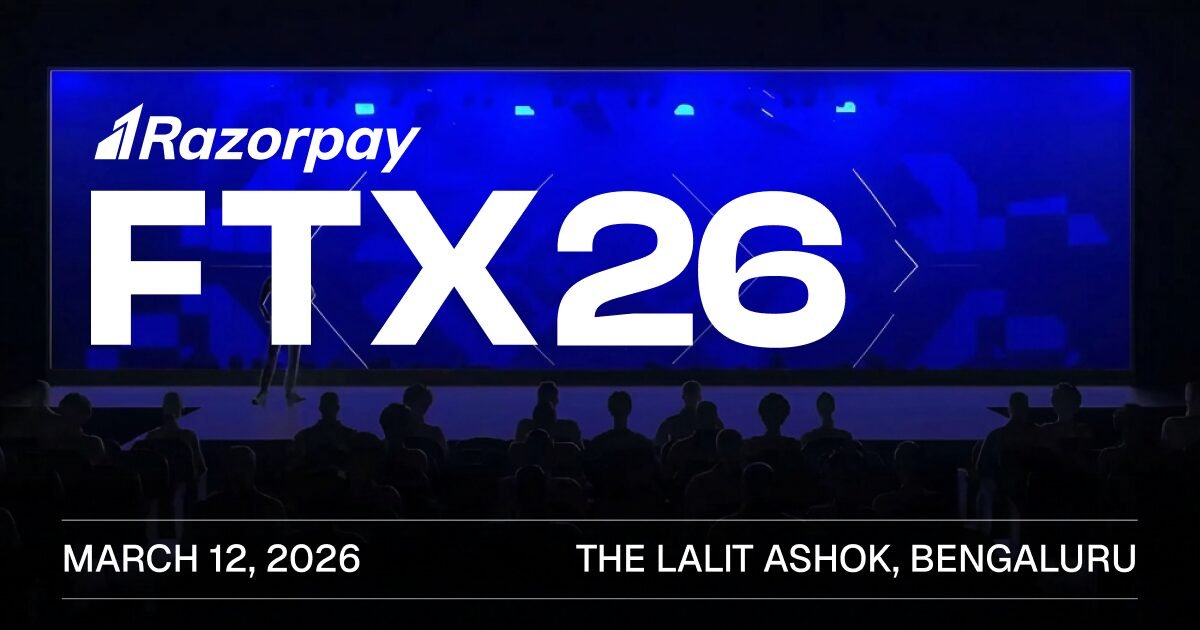
Razorpay FTX 2026 marked another milestone for India’s rapidly evolving fintech ecosystem.
The event brought together startup founders, payment experts, regulators, developers, and fintech leaders to discuss the next phase of digital finance in India.
Having followed India’s fintech landscape for years, it’s clear that conferences like this are no longer just networking events—they’re where real infrastructure trends emerge.
Razorpay FTX 2026 wasn’t just about product launches or funding announcements. Instead, the discussions focused on deeper issues such as embedded finance, AI-powered payments, cross-border transactions, and regulatory challenges.
For businesses, startups, and fintech enthusiasts, Razorpay FTX 2026 offered valuable insights into where the industry is heading.
Read: Best Expense Tracker Apps in India (2025 Guide)
What is Razorpay FTX?
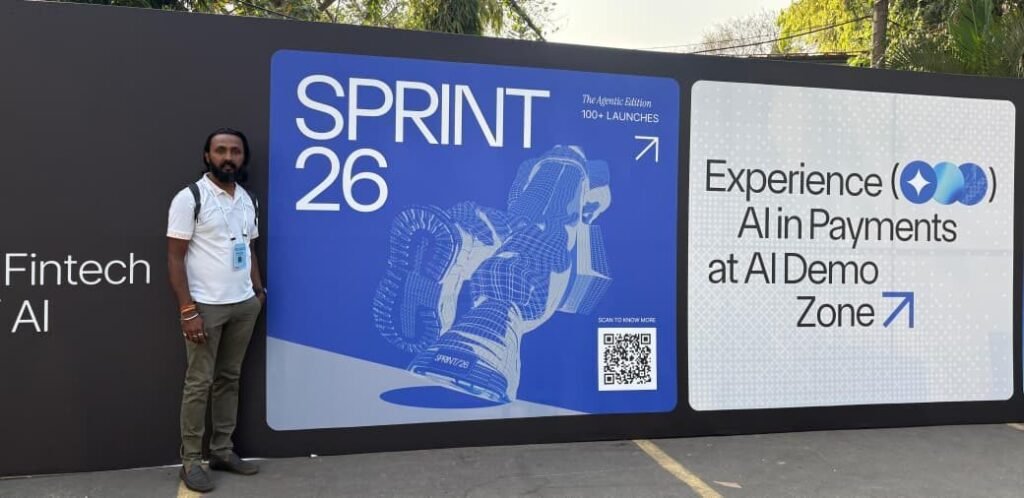
Razorpay organizes FTX (Fintech Experience) as one of the largest fintech conferences in India.
The event focuses on payment technology, financial infrastructure, and innovation in digital financial services.
Unlike many startup conferences that prioritize investor pitches, Razorpay FTX usually emphasizes practical fintech challenges that businesses face daily, such as payment success rates, regulatory compliance, and financial automation.
Participants typically include:
- Startup founders
- SaaS companies
- Payment gateway operators
- Banking institutions
- Product managers and developers
The main goal of the event is to connect fintech builders with real industry insights.
Razorpay FTX 2026: The Fintech Infrastructure Shift

One of the most interesting themes emerging from Razorpay FTX 2026 was the shift from consumer fintech apps toward financial infrastructure platforms.
A few years ago, fintech innovation revolved around:
- Mobile wallets
- Consumer payment apps
- Buy Now Pay Later platforms
Now the focus has shifted toward infrastructure that powers financial services behind the scenes.
This includes:
- Payment APIs
- Banking-as-a-Service platforms
- Embedded finance tools
- Cross-border payment infrastructure
Many speakers highlighted that the next generation of fintech unicorns may not be consumer-facing brands but infrastructure companies powering thousands of digital businesses.
Embedded Finance Dominated Razorpay FTX 2026
Another major topic discussed during Razorpay FTX 2026 was embedded finance.
Embedded finance means integrating financial services directly inside digital platforms rather than sending users to external banking or payment apps.
For example:
- E-commerce platforms offering instant merchant loans
- SaaS tools enabling built-in subscription payments
- Marketplaces providing escrow and wallet systems
- Creator platforms offering instant payouts
What many founders pointed out during the event is that financial services are becoming invisible infrastructure inside digital products.
Instead of launching standalone fintech apps, companies are embedding payments and lending directly into their core services.
AI-Powered Payments: A Major Focus at Razorpay FTX 2026
Artificial intelligence was another central discussion point at Razorpay FTX 2026.
Payment companies are increasingly using AI to improve:
Fraud Detection
Modern fintech platforms analyze transaction patterns in real time to detect suspicious activities. AI models can identify anomalies much faster than traditional rule-based systems.
Payment Success Rates
Payment routing systems powered by AI can automatically select the best bank or payment channel, improving transaction success rates.
Customer Support Automation
Large fintech companies handle millions of transactions daily. AI chatbots and automated systems are now handling large portions of customer support.
These developments suggest that AI is becoming a core component of modern payment infrastructure.
Cross-Border Payments: The Next Fintech Opportunity
One of the biggest opportunities discussed at Razorpay FTX 2026 involved cross-border payments.
India has become a global hub for:
- SaaS startups
- Freelancers
- Digital creators
- Online service providers
These businesses frequently face problems when accepting international payments, including:
- High transaction fees
- Delayed settlements
- Complex compliance requirements
Many fintech founders believe that the next wave of innovation will focus on making international payments as simple as domestic digital payments.
Regulation and Compliance in the Fintech Industry
Fintech companies operating in India must work closely with regulators such as the:
- Reserve Bank of India
- National Payments Corporation of India
During Razorpay FTX 2026, several discussions focused on how regulation affects fintech innovation.
While some startups initially view regulation as a barrier, experienced founders explained that strong regulatory frameworks actually help build long-term trust in financial products.
Companies that design their infrastructure with compliance in mind often scale more sustainably.
The Future of UPI and Digital Payments
India’s digital payments ecosystem continues to grow rapidly, largely due to:
Unified Payments Interface.
UPI has already revolutionized everyday transactions in India, but the next phase could include:
- UPI-based credit systems
- International UPI payment integrations
- UPI-powered business payment solutions
- Deeper integrations with global financial systems
Many experts at Razorpay FTX 2026 believe these developments could make India a global leader in digital payment infrastructure.
Lessons for Fintech Startups

One of the most practical parts of Razorpay FTX 2026 was the advice shared for founders building fintech companies.
Key lessons included:
Build infrastructure, not just apps
Infrastructure businesses often create stronger long-term value.
Focus on solving real payment problems
Payment success rates, settlement delays, and compliance challenges still exist.
Developer experience matters
APIs, SDKs, and documentation are critical for fintech adoption.
Think globally from the beginning
Many Indian fintech companies are already serving international customers.
Why Razorpay FTX 2026 Matters for the Fintech Industry
Events like Razorpay FTX 2026 play an important role in shaping the fintech ecosystem.
They allow industry leaders to discuss:
- Emerging financial technologies
- Regulatory developments
- Payment infrastructure innovations
- Startup opportunities
For entrepreneurs, these insights often influence product strategies and investment decisions.
Conclusion
Razorpay FTX 2026 highlighted how India’s fintech sector is evolving beyond simple payment apps toward sophisticated financial infrastructure.
The discussions around embedded finance, AI-powered payments, cross-border transaction systems, and regulatory frameworks indicate that the next wave of fintech innovation will focus on building the invisible financial infrastructure powering the digital economy.
For startups, developers, and businesses, the message from Razorpay FTX 2026 is clear: the future of fintech lies in scalable infrastructure, seamless payments, and intelligent financial systems.
FAQs
What is Razorpay FTX 2026?
Razorpay FTX 2026 is a fintech conference organized by Razorpay that focuses on digital payments, financial infrastructure, and innovation in financial technology.
Who attends Razorpay FTX events?
The event typically attracts fintech founders, payment companies, investors, developers, and banking professionals.
Why is Razorpay FTX important for startups?
It provides insights into industry trends, new fintech technologies, regulatory changes, and infrastructure opportunities.
What were the main themes of Razorpay FTX 2026?
Key themes included embedded finance, AI-driven payments, cross-border payment systems, fintech infrastructure, and regulatory compliance.